If you already know PU is the right direction
We can support the path from system matching and sample development to molded-part production and repeatable delivery.
Polyurethane OEM parts / functional component development
HuiXing helps OEM teams turn polyurethane requirements into production-ready parts through molded foaming, self-skin solutions, slow-rebound systems and custom PU development. We work from use case, part geometry and performance targets, not from generic foam labels alone.
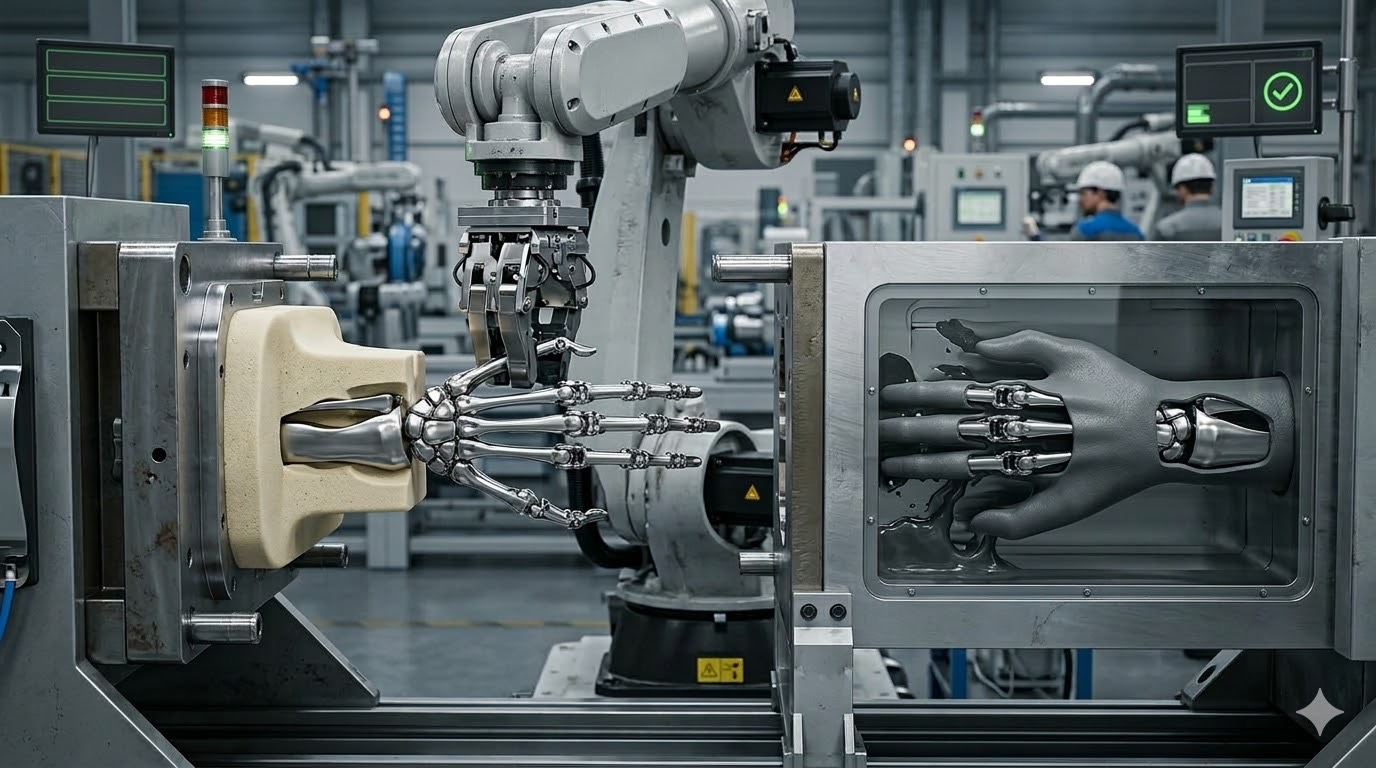
Some product, process and application visuals on this site are AI-generated equivalent illustrations. We have relevant development and production experience, but do not display customer program images or delivered appearances due to NDA requirements.
Perspective
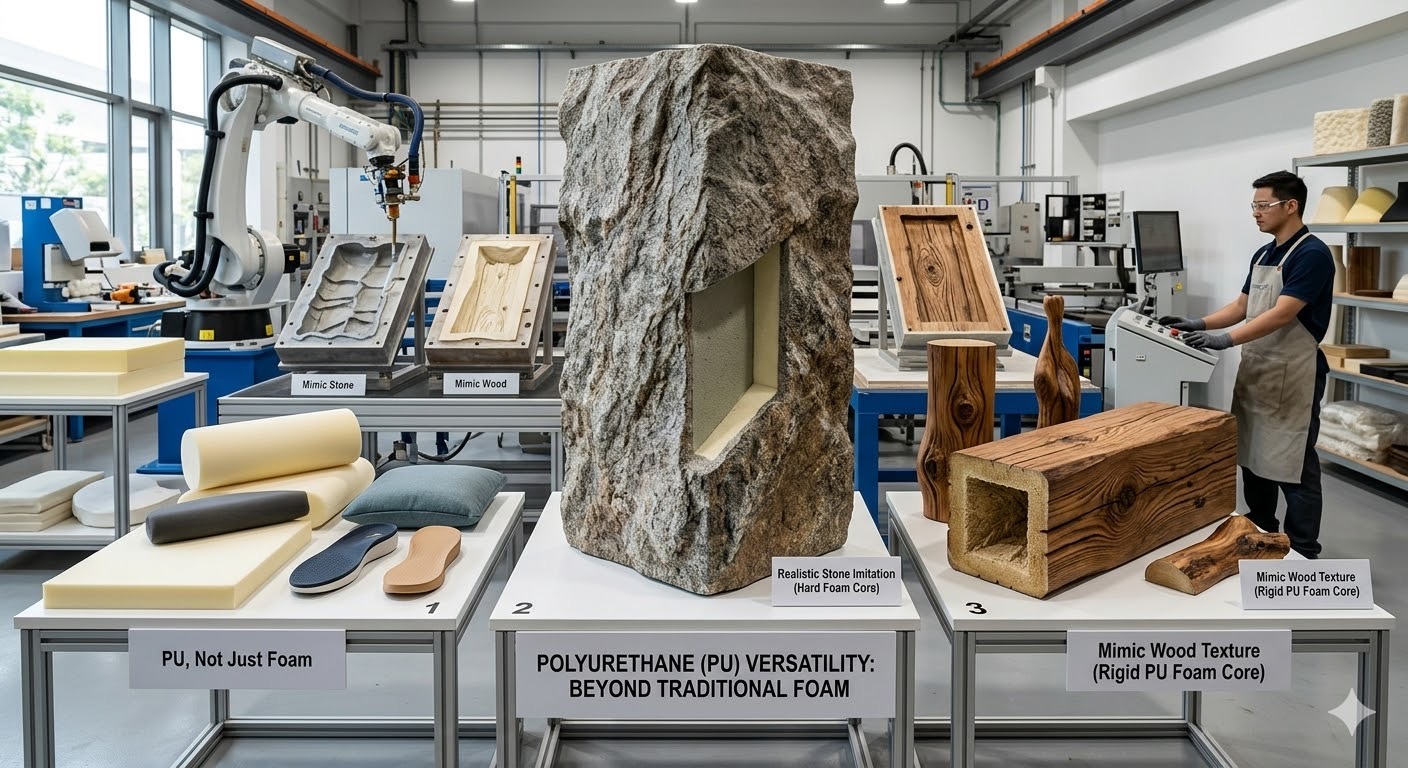
Many buyers still approach PU as if it were only a generic foam for cushioning, furniture or footwear. In practice, different polyurethane systems, formulations, skin structures and molding routes can produce very different part behaviors.
PU can be tuned for soft contact, defined support, protective impact response, surface touch, wrapping, vibration damping, structural filling or integrated soft-over-hard part concepts. The right route depends on the product target, not on the label alone.
Some visuals on this site are AI-generated equivalent product illustrations used to show material capability, component direction and application understanding. We have relevant development and production experience, but actual customer images and delivered products are not displayed due to confidentiality.
Positioning
We can support the path from system matching and sample development to molded-part production and repeatable delivery.
We can start from the actual use case and help judge whether PU is the right route for support, touch, impact control, wrapping, damping or protective contact.
Capabilities
Our capability is built around how polyurethane actually has to perform inside a product: material route, part geometry, user touch point, fit-up condition and production repeatability.
Centered on molded foaming for high-resilience, self-skin, slow-recovery, rigid and non-standard polyurethane systems across different structure, feel and rebound targets.
We support development around hardness, rebound timing, skin behavior, tactile feel and composite requirements instead of forcing the part into a standard commodity category.
Starting from the use case, we help judge feasibility, structure direction, key unknowns and sampling priorities so the project can move faster toward a viable part route.
Where a broader product path is needed, we can also coordinate related needs involving ETPU, CPU or TPU through supply-chain integration.
Factory Proof
We use AI-generated equivalent visuals to explain product possibilities. The real photos below show HuiXing’s own operating site, production areas, inspection bench and sample-review environment.
All photos below were taken at HuiXing’s own site. They show publicly shareable areas only and do not include confidential customer programs or delivered product appearances.
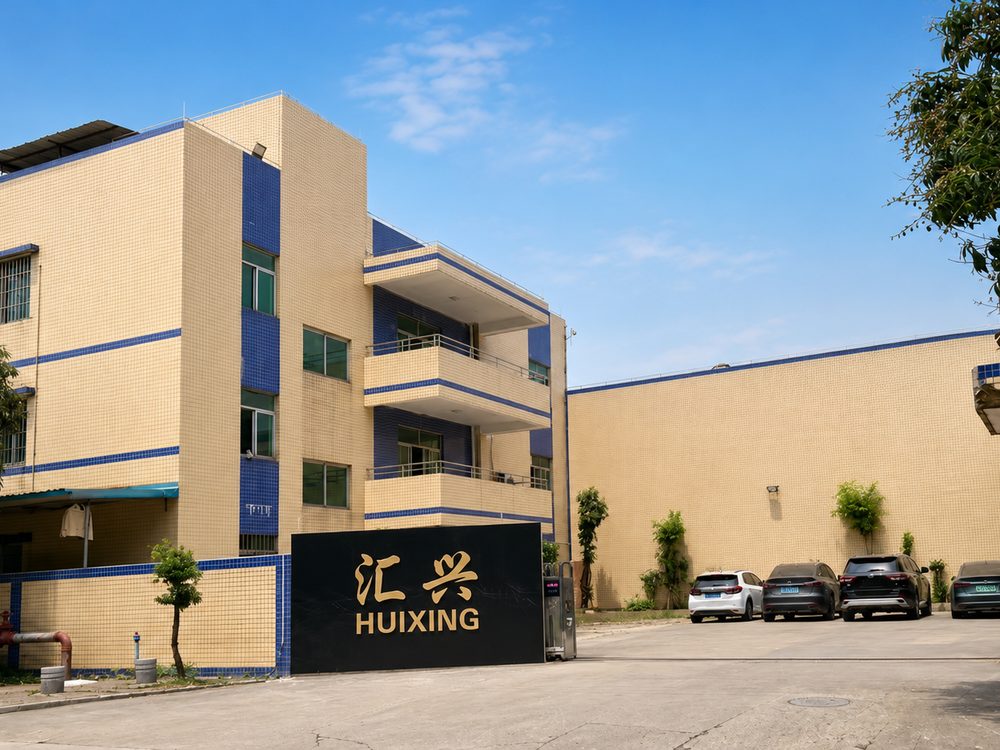
The factory entrance and exterior help buyers see the operating site behind the website.
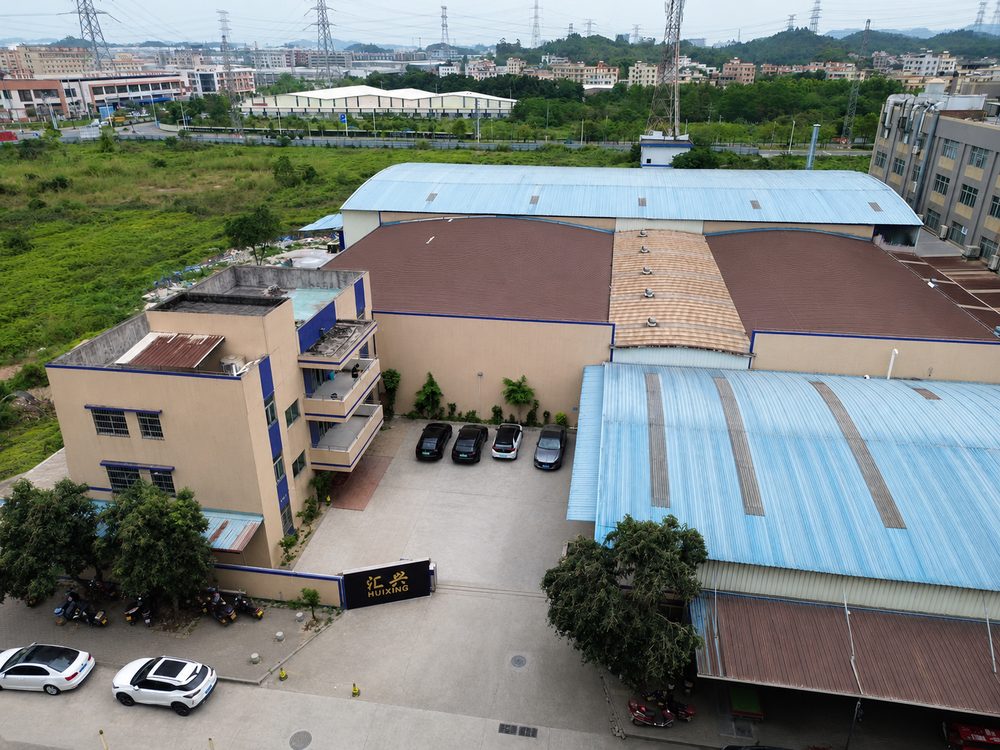
A wider view of the factory area, including production and office spaces.
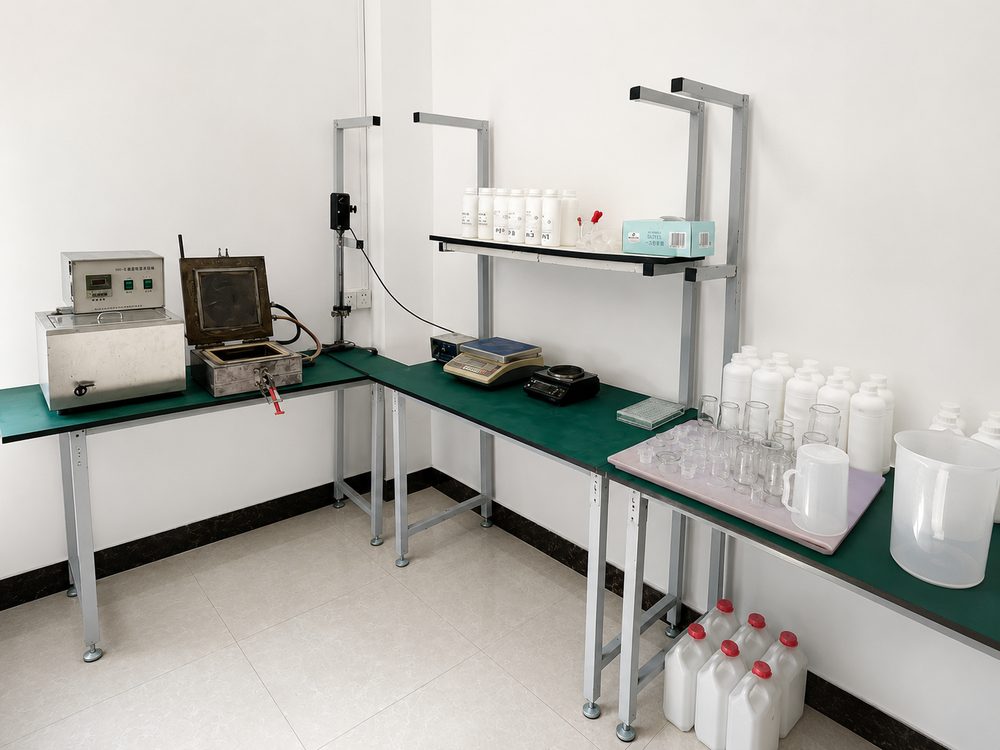
A working area for material preparation, basic checks and early sample review.
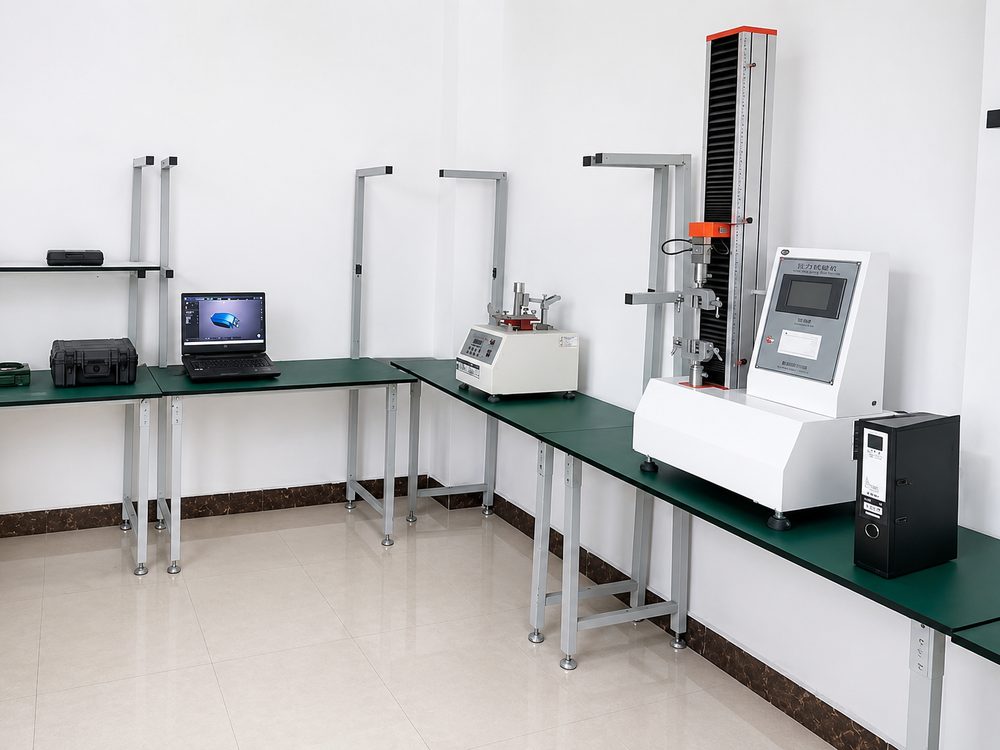
Used for sample checks around dimensions, appearance, touch feel and process confirmation.
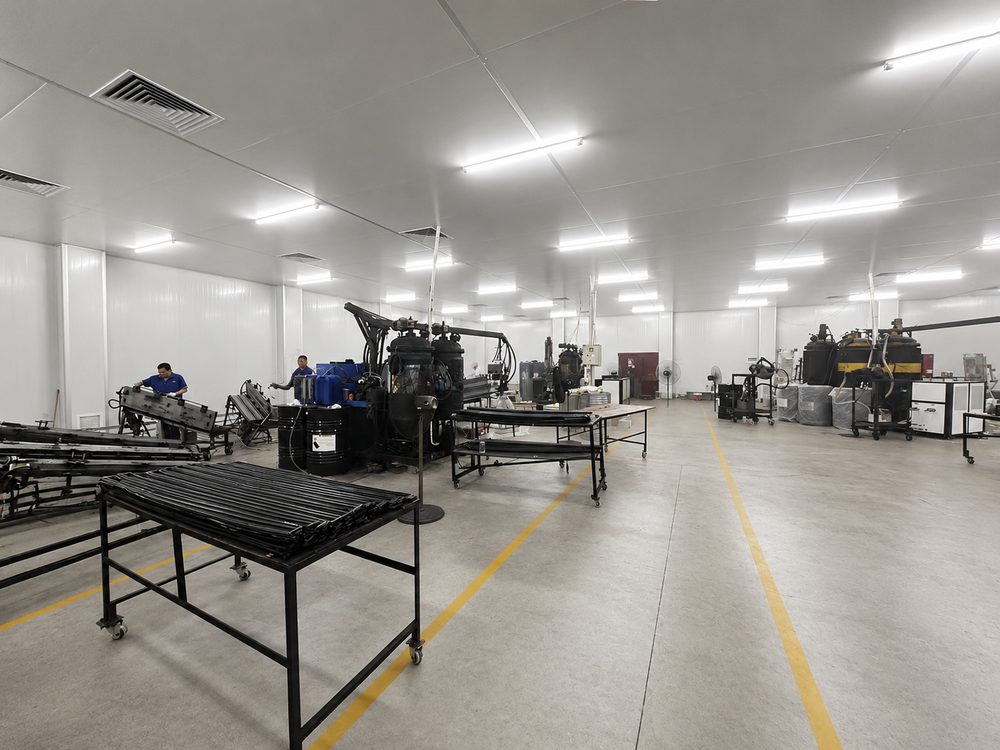
A view of the workshop where molded PU production is carried out.
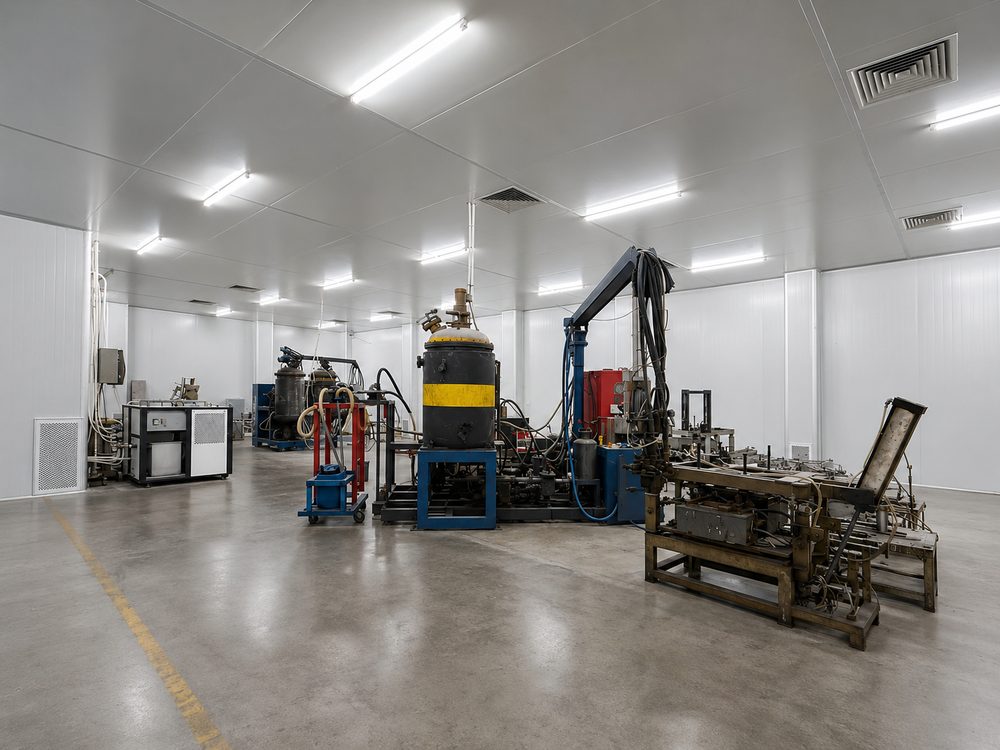
Production equipment used for polyurethane foaming and molded-part work.
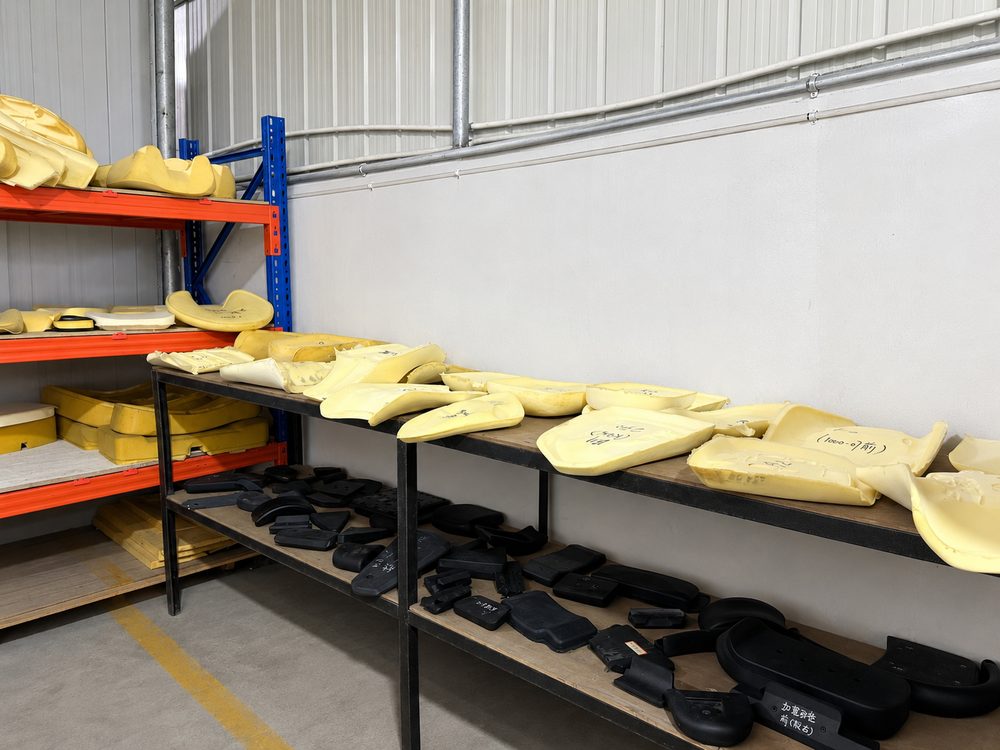
Open sample references kept for project discussion and internal review.
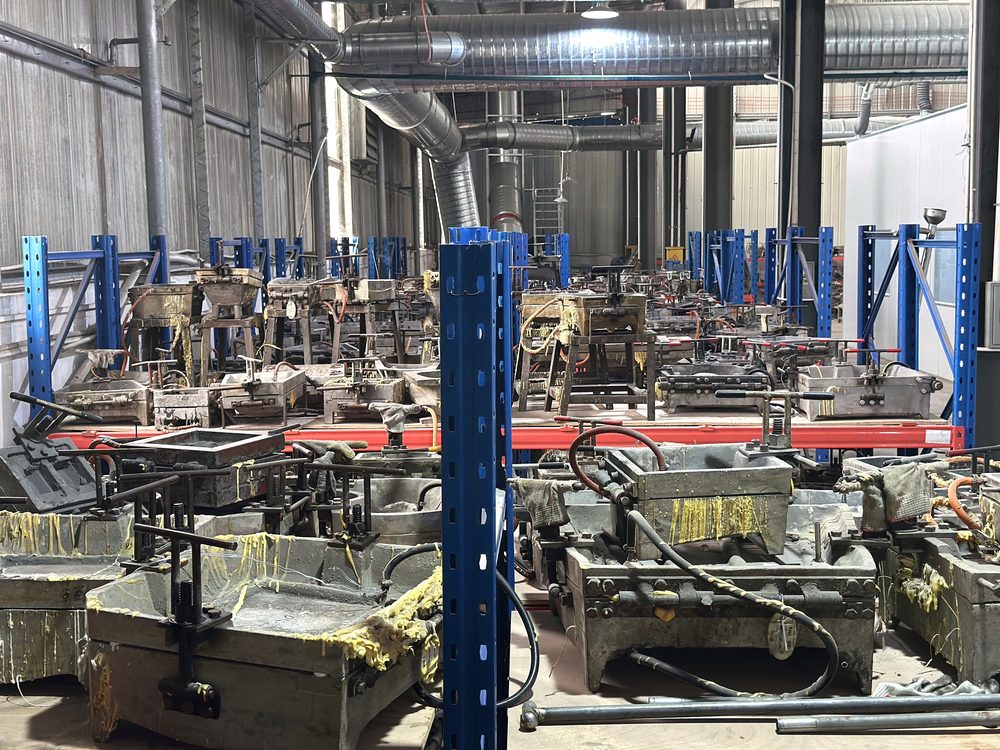
Molds, tooling and on-site setup used for shaped PU component production.
Functional Value
Instead of understanding PU only by material family, we focus on the product functions and user experience it can actually create.
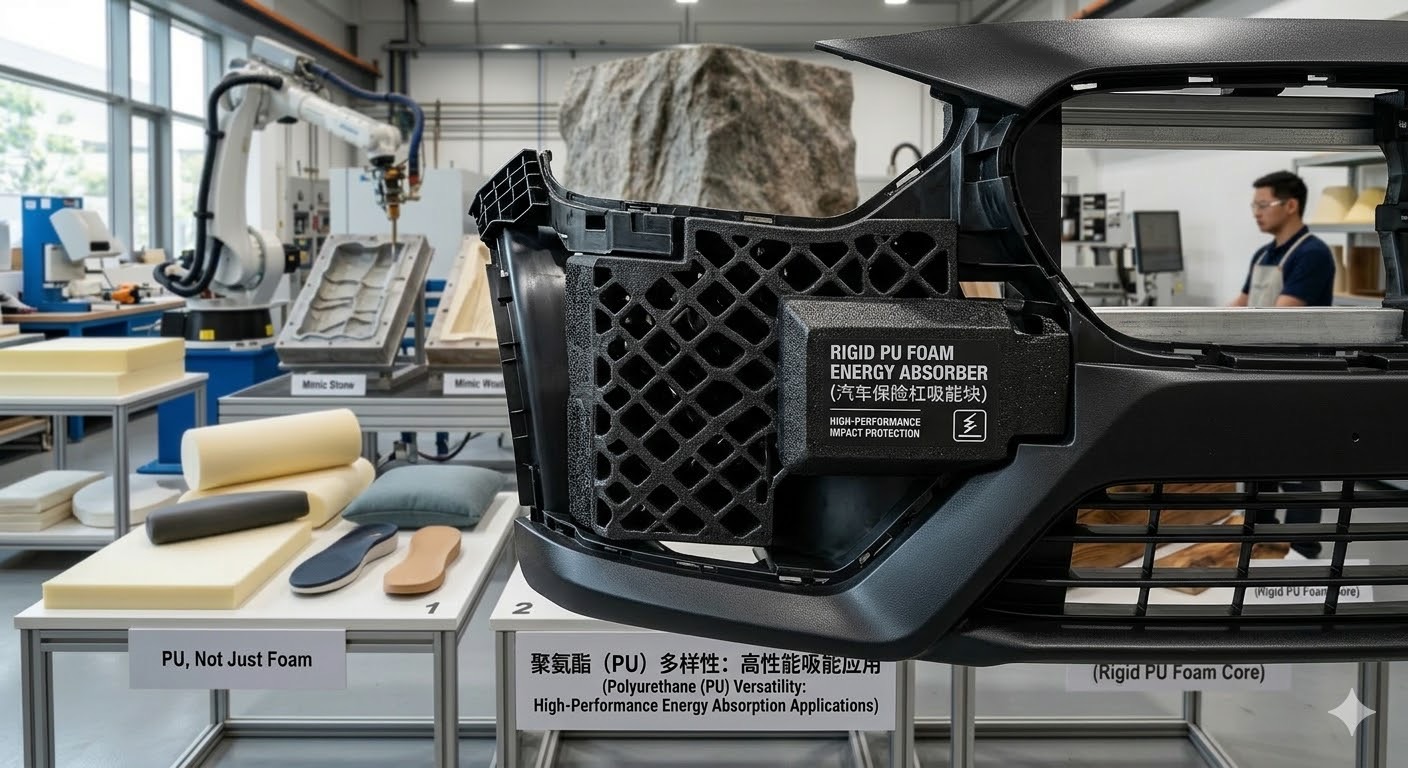
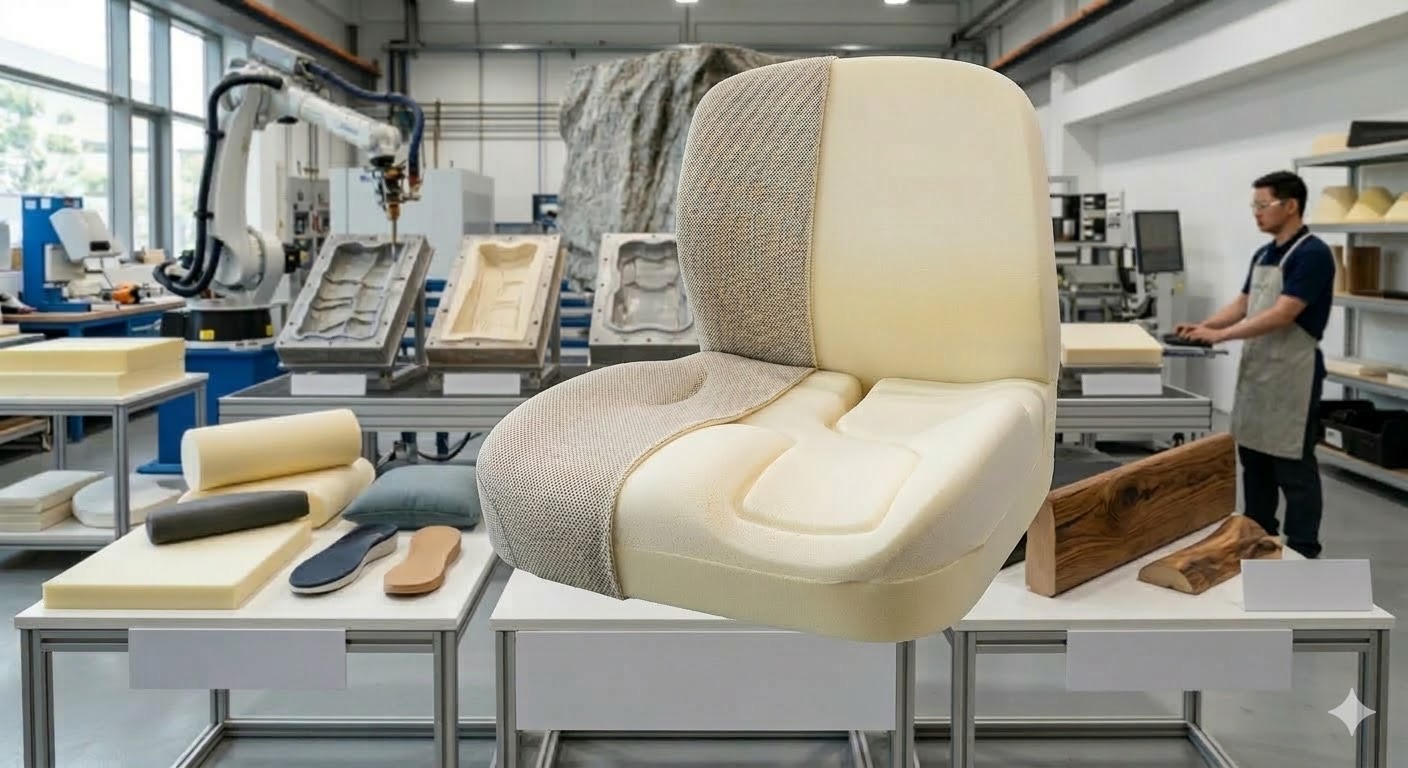
The visuals below are AI-generated equivalent product illustrations used to explain product direction, component form and material understanding. The company has relevant development and production experience, but real project imagery is withheld due to customer confidentiality.
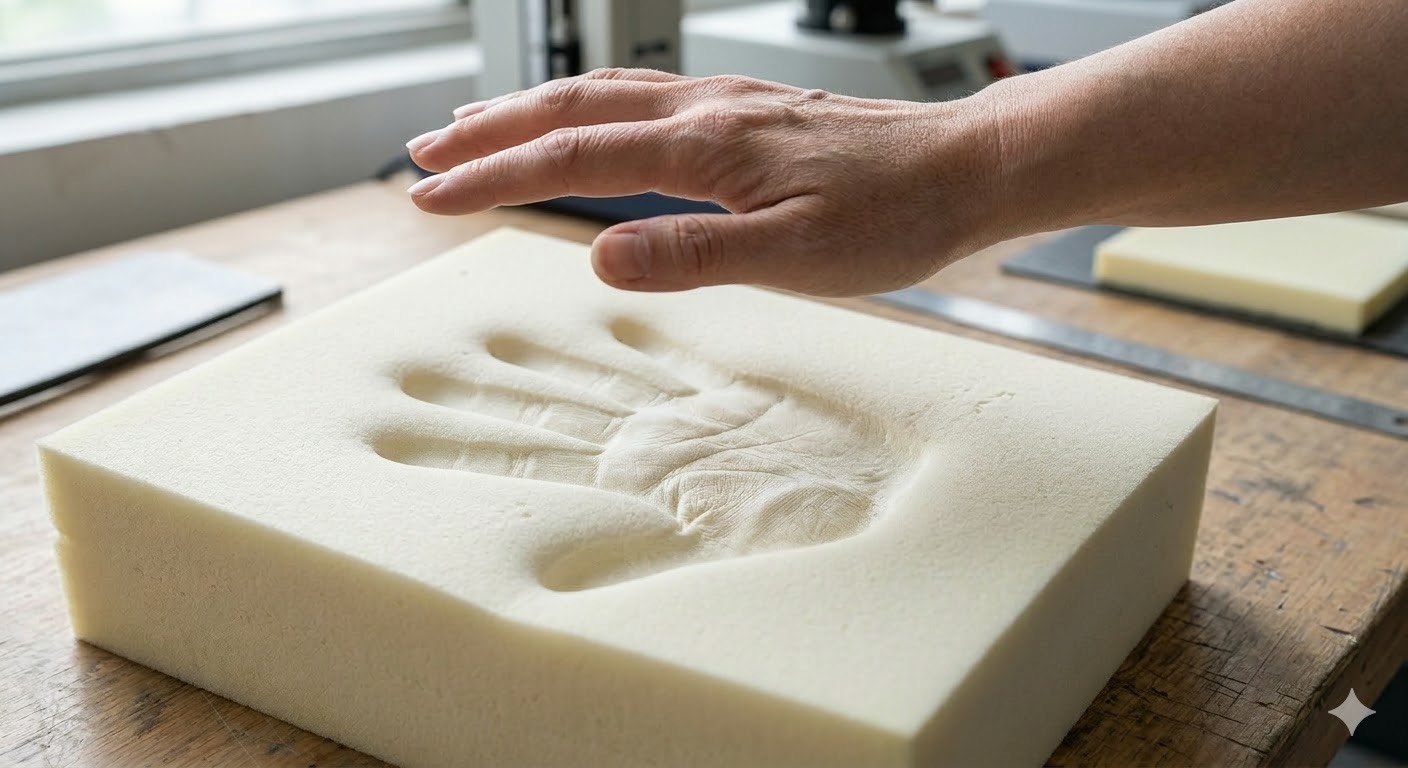
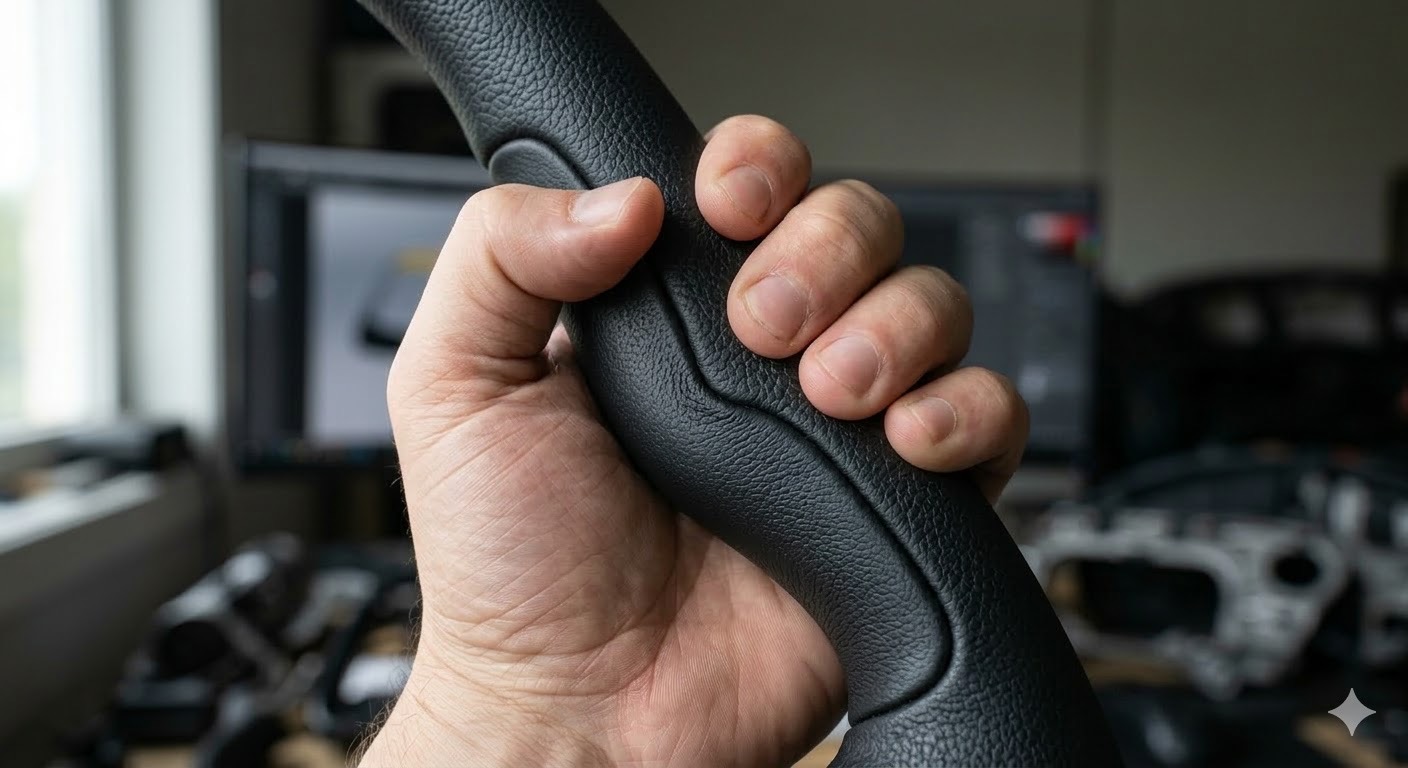
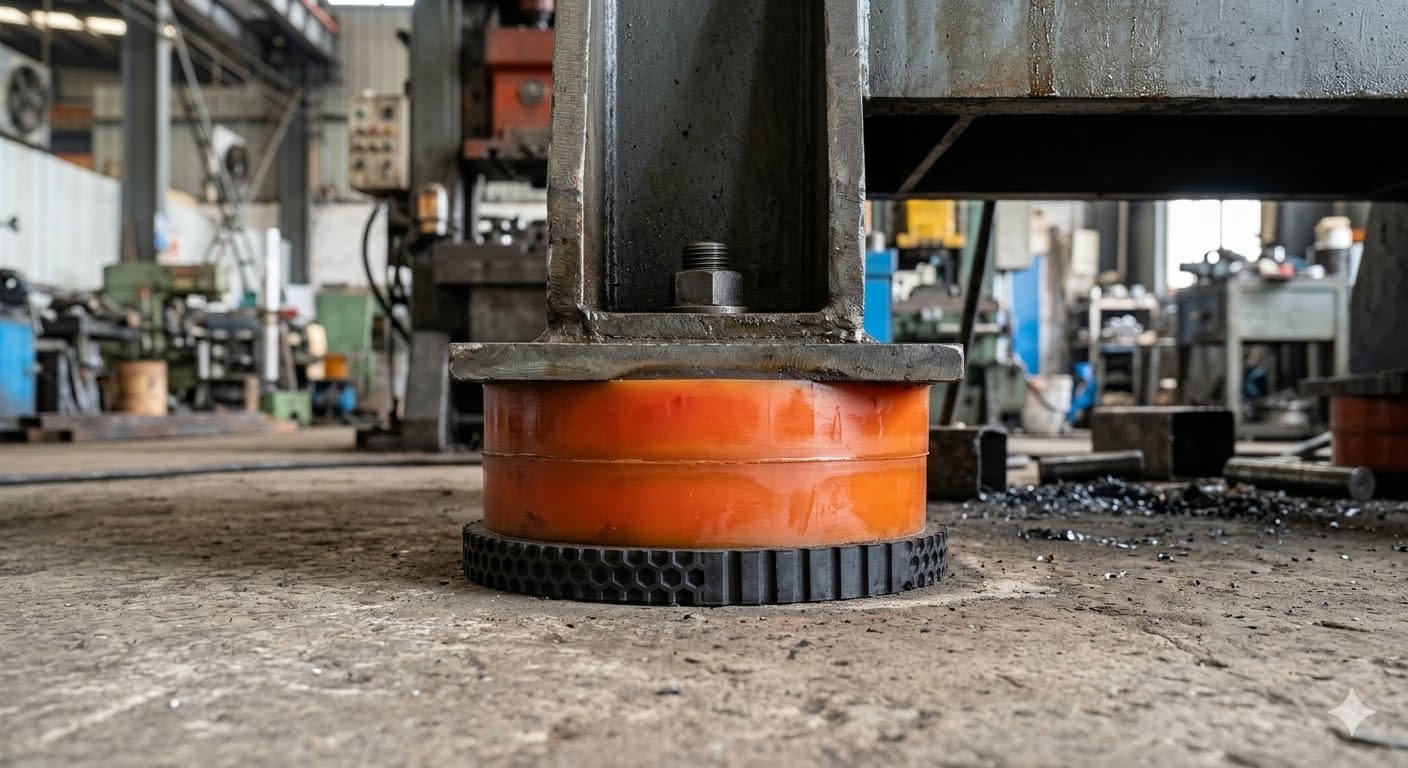
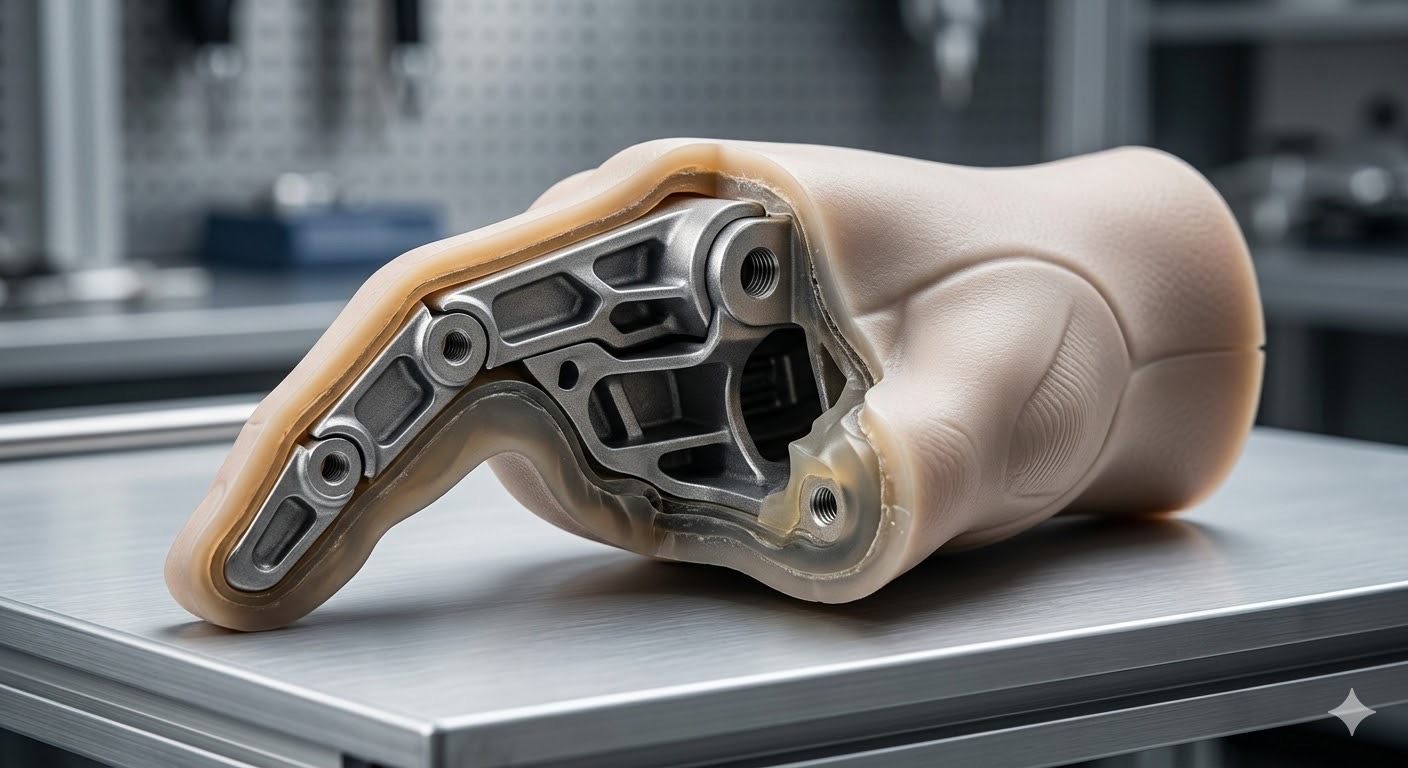
Applications
These examples are organized around component behavior rather than narrow industry labels, because many buyer inquiries start from a part problem before they start from a material name.
The visuals below are AI-generated equivalent product illustrations used to explain product direction, component form and material understanding. The company has relevant development and production experience, but real project imagery is withheld due to customer confidentiality.
01
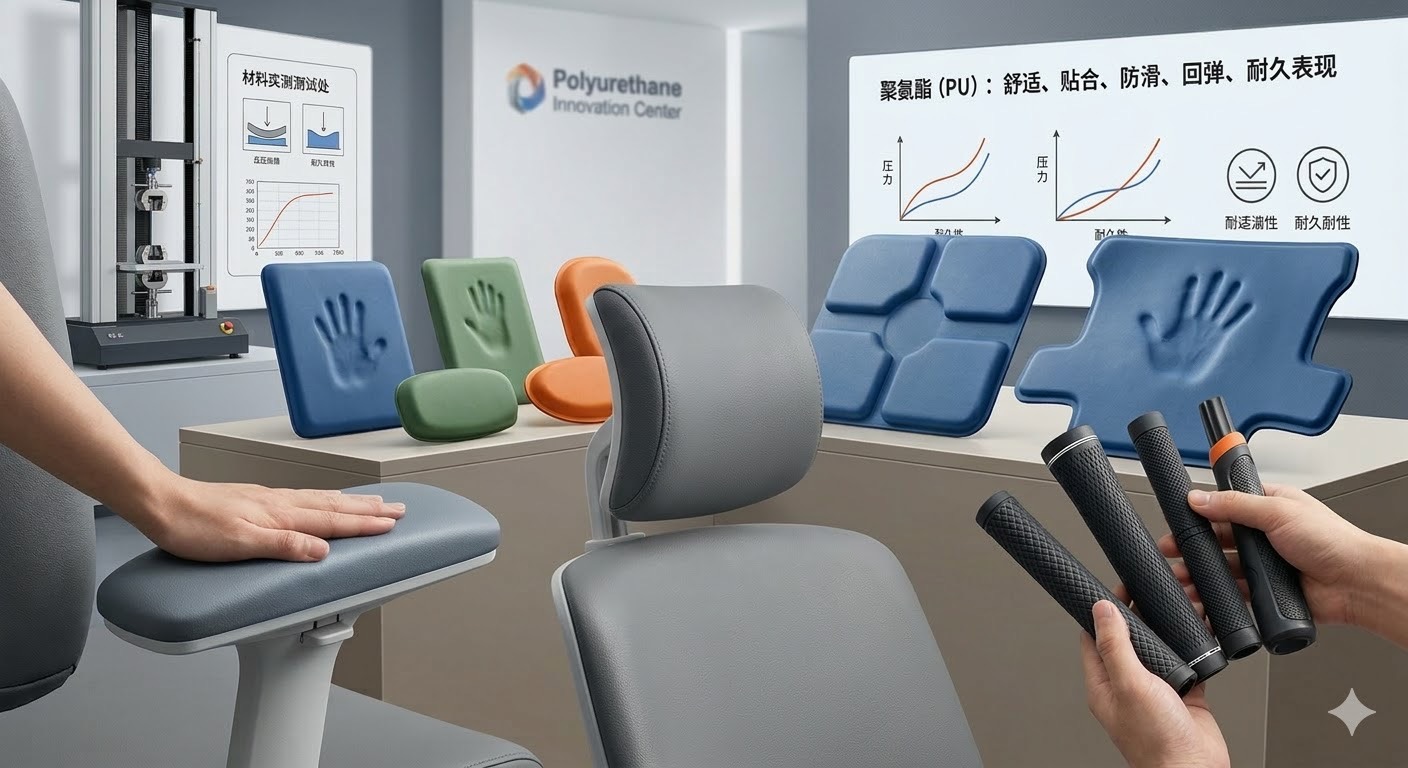
Armrests, headrests, grips, support pads and other user-contact zones where comfort, conformity, rebound and skin feel need to be managed together.
02
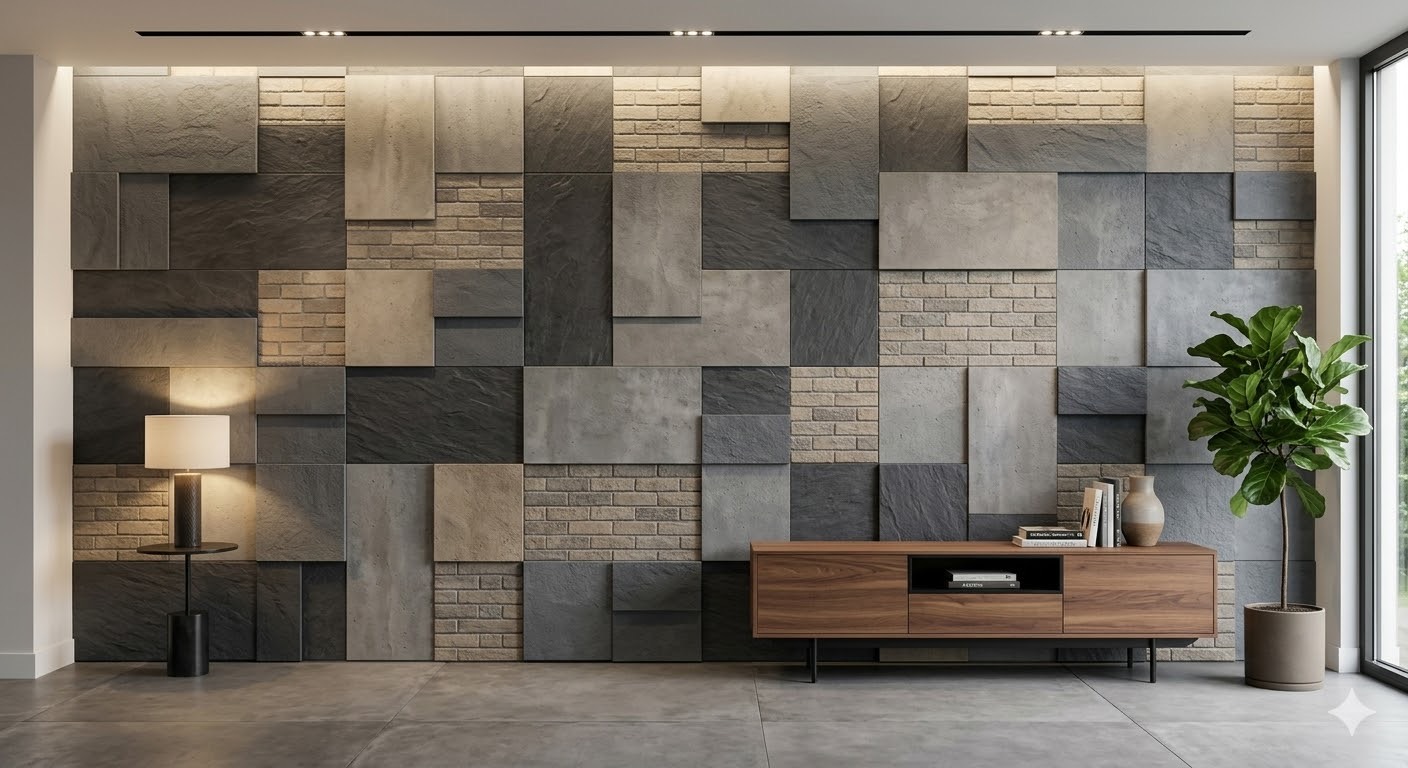
Protective pads, anti-collision inserts, transport-contact pieces and equipment-contact modules that need shaped energy control rather than generic soft foam.
03
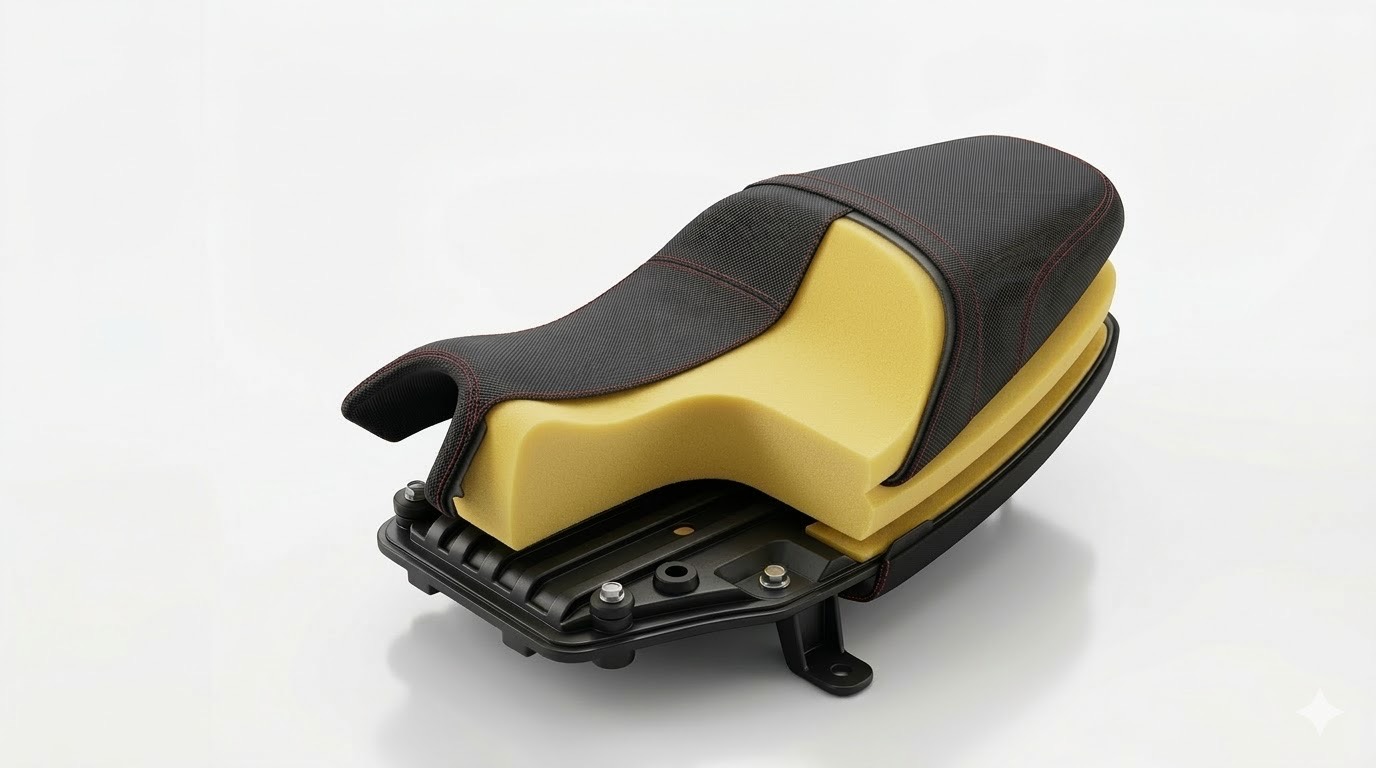
Handle wraps, outer-touch covers, grip zones and soft-over-hard outer interfaces where touch feel, anti-slip behavior and visual continuity all matter.
04
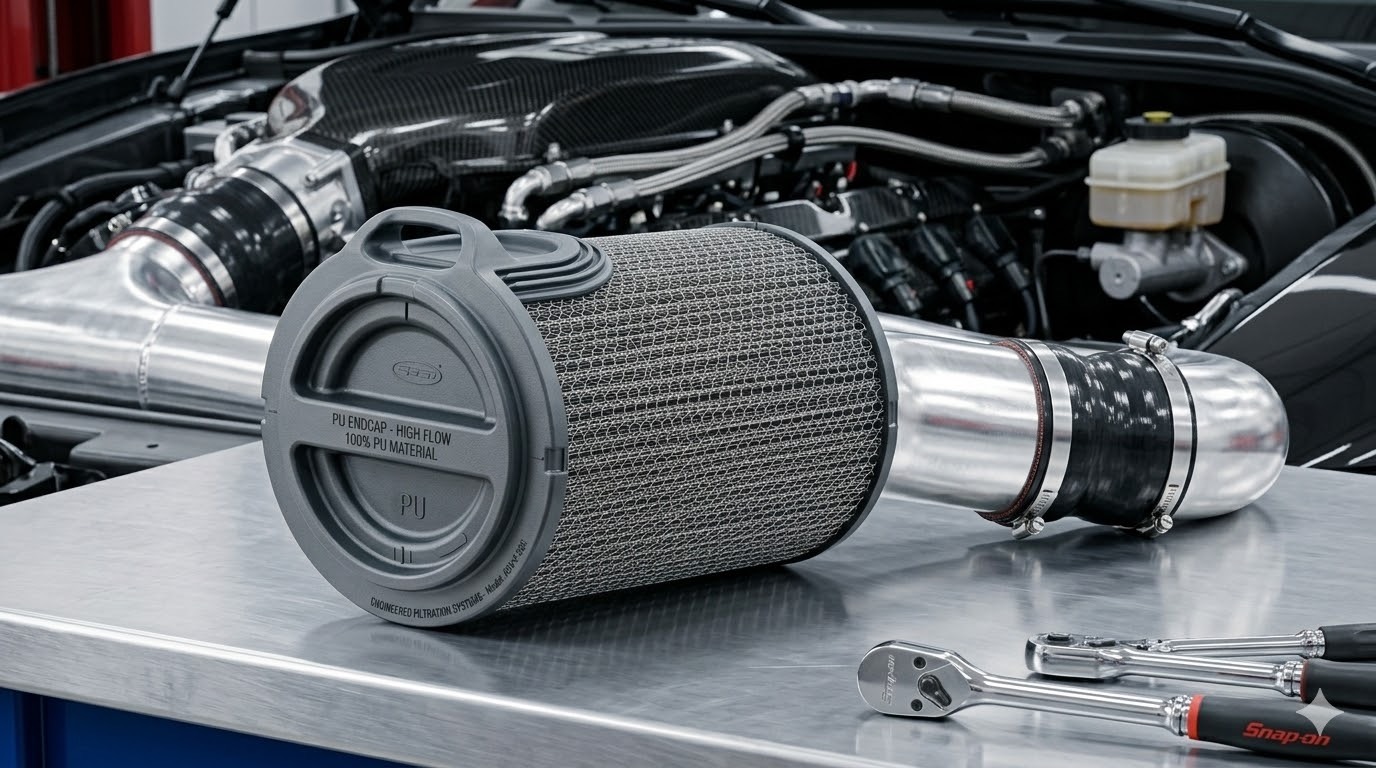
Supportive fillers, liners, end pieces and shape-retaining parts where lightweight structure, geometry freedom and functional integration are important.
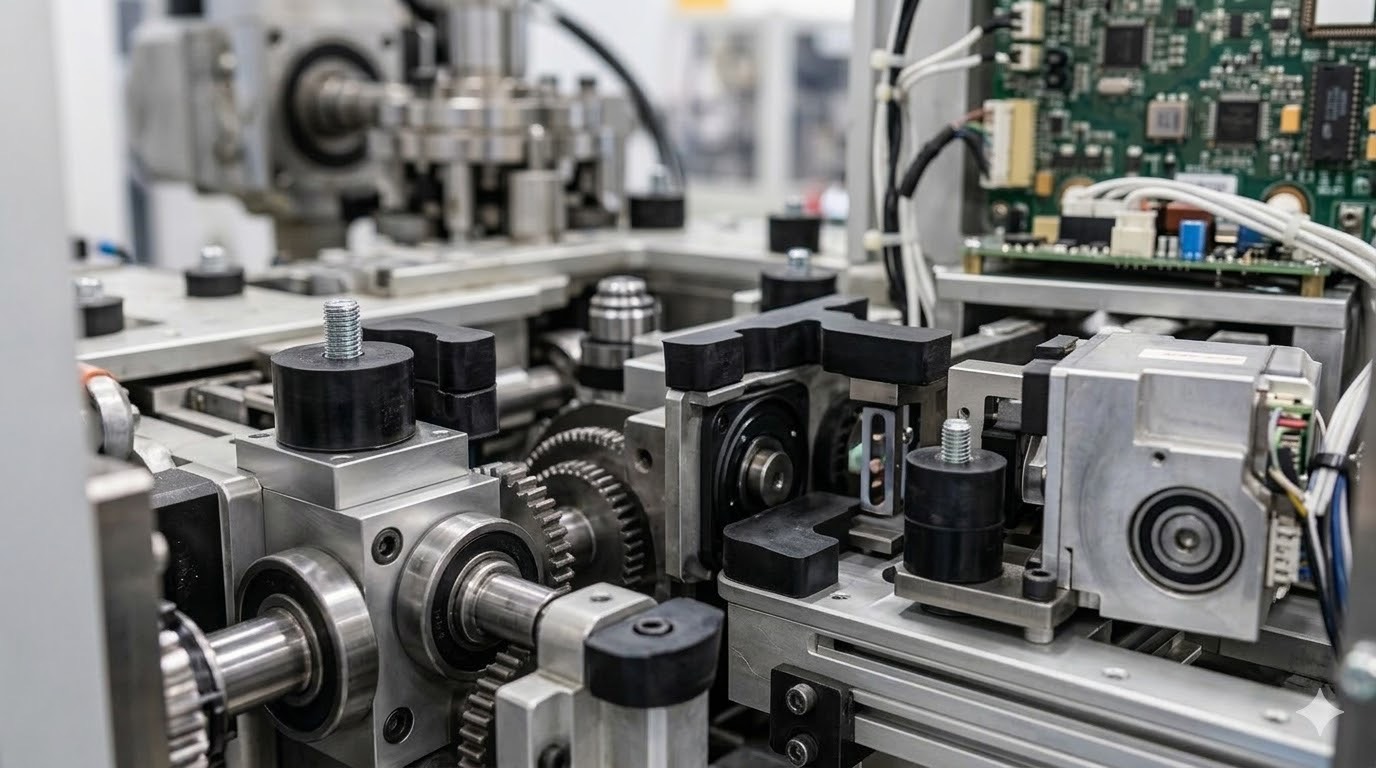
05
Pressure-distribution pads, soft positioning parts, silent-touch elements and other components where the user experience depends on a more specific PU response.
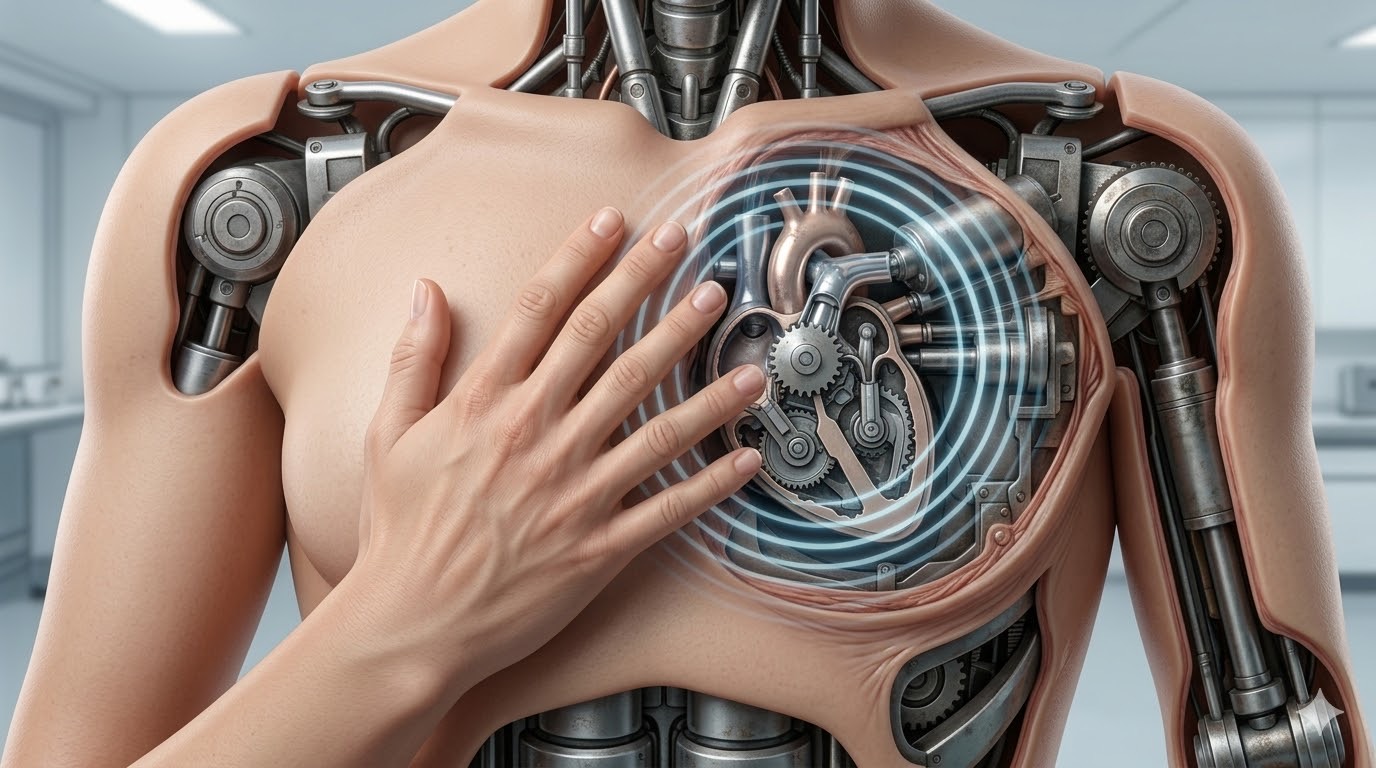
06
Robot contact covers, smart-device outer interfaces, care-support parts and child-safe contact zones that need differentiated development support.
Materials & Processes
We do not define products only by common labels. We match material behavior and process structure to final-use needs.
The visuals below are AI-generated equivalent product illustrations used to explain product direction, component form and material understanding. The company has relevant development and production experience, but real project imagery is withheld due to customer confidentiality.
Materials & Processes
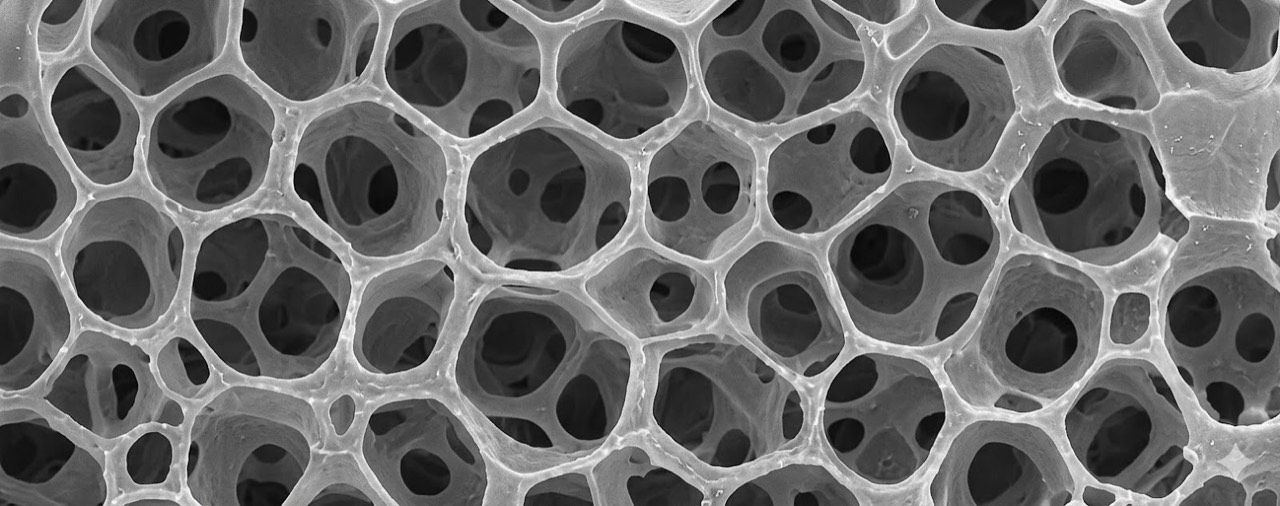
Suitable for parts that need fast recovery, dynamic support and repeated compression while balancing comfort and durability.
Topic Library
We organize key process, material and component directions into dedicated pages so buyers can quickly move from a general inquiry to a more specific sourcing discussion.
See when molded PU becomes the better route for shaped OEM parts that need geometry control, fit-up accuracy and stable performance.
View TopicExplore integral-skin PU parts for touch surfaces, easy-clean covers and molded components with finished outer skin quality.
View TopicReview slow-rebound PU for comfort pads, pressure-distribution parts and body-contact components with softer recovery.
View TopicUnderstand when a project needs custom PU development for special hardness, rebound, skin or tactile-performance targets.
View TopicReview real factory references, sample validation, inspection support and sample-to-production execution for PU projects.
View TopicExplore shaped PU parts for impact control, anti-collision zones, protective contact and cushioning behavior.
View TopicDive into PU wrap parts for grip zones, outer-touch interfaces and soft-over-hard component structures.
View TopicTarget sourcing searches for molded polyurethane armrest pads used in seating, equipment and shaped support interfaces.
View TopicCover headrest pads, support pads and body-contact parts where comfort, support and geometry all matter together.
View TopicCapture buyers looking for durable touch surfaces, grip parts and self-skin PU outer-contact components.
View TopicAnswer sourcing searches for anti-collision pads, protective inserts and shaped polyurethane protection parts.
View TopicFocus on grip wraps, touch covers and soft-over-hard polyurethane outer-contact components.
View TopicTarget robotics, smart-device and safe-contact cover programs that need differentiated polyurethane development.
View TopicCover sourcing intent for support pads, positioning pads and shaped polyurethane parts that prioritize support over softness alone.
View TopicTarget equipment, case and product-protection insert searches where geometry and fit matter more than flat foam conversion.
View TopicFocus on damping, noise-control and equipment-contact parts for structural interfaces and dynamic-use programs.
View TopicAnswer process-led searches about how OEM buyers start polyurethane sampling, validation and production review.
View TopicHow We Work
If your part definition is already clear, we can work from drawings, samples or confirmed requirements and move toward stable production supply.
If the part direction is still open, we can start from product use, performance targets and use conditions to help narrow the material and process route before tooling commitment.
Workflow
Clarify product use, environment, target function, user touch point, structural limits and expected production scale.
Match the material system, rebound behavior, skin direction, structure form and molding route to the part target.
Validate size, feel, recovery, appearance and assembly fit through samples, then adjust the route where needed.
After the part direction is confirmed, improve repeatability, efficiency, quality control and production readiness.
Move into formal production and ongoing support for a stable functional-part delivery path.
Quick Buyer Brief
A full technical package is not required to start. These are simply the inputs that help us judge the route faster and give you a more useful first response.
Why HuiXing
We focus on whether the part route solves the product problem, not just whether a material label sounds familiar.
We can support both custom system work and molded-part production, reducing handoff friction across the development chain.
When the target involves special feel, rebound, skin or composite behavior, we can work through more flexible development routes.
Our core strength is turning polyurethane into shaped, manufacturable parts that still behave the way the product needs.
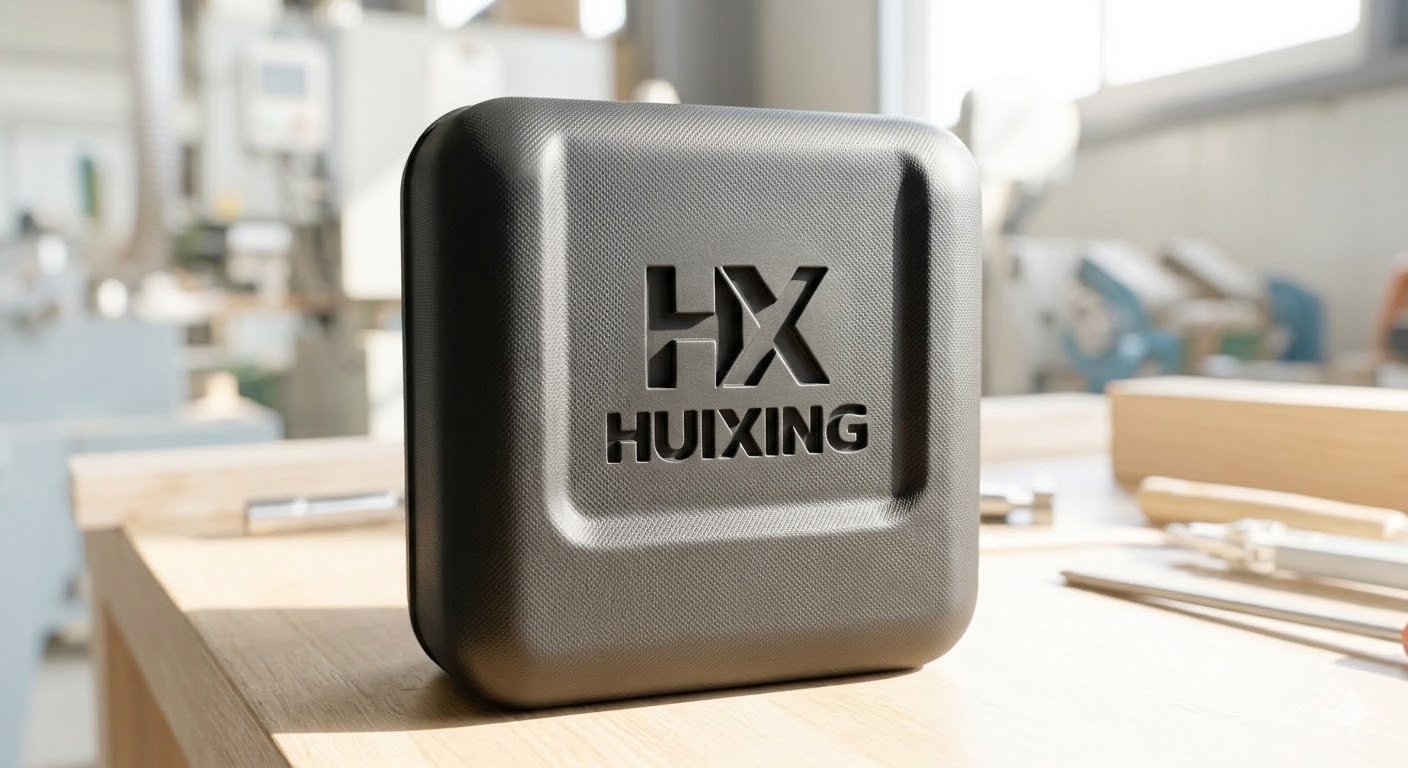
We do not treat PU as only a generic foam category for furniture, footwear or simple cushioning. With the right system, structure and process route, polyurethane can behave like a defined functional component inside a product.
Our goal is not only to make parts. It is to help buyers find a polyurethane implementation route that fits the product requirement, the assembly condition and the intended user experience more accurately.
FAQ
Short answers to practical questions buyers often ask before starting a PU part project.
We mainly support functional PU parts for cushioning, support, touch surfaces, wraps, vibration damping, structural filling and integrated molded applications. The route is matched to the part function, not to a generic material name alone.
No. Many buyers contact us before the final material route is fixed. We can start from use case, target feel, geometry and performance goals, then help narrow the right direction.
Yes. One of our main strengths is connecting route review, custom system work, sample validation and molded-part production in one workflow.
A drawing, sample, benchmark part, simple photo set or short description of the use condition is usually enough to begin a practical review and identify the next step.
No. The images are AI-generated equivalent illustrations used to explain product direction and capability understanding. We have relevant experience, but real customer images are not shown due to NDA obligations.
Next Step
Whether you already have drawings or are still comparing options, we can review the use case, geometry and target performance together and help determine a practical polyurethane path for sampling and production.
Contact
You can contact us by phone, email or the inquiry form. If you already have drawings, samples, target feel, benchmark parts or an application concept, send them together so we can review the part route more efficiently.