Buyer Intent Page
Molded PU Foam Inserts
HuiXing supports molded PU foam inserts where buyers need shaped fit, product retention, local protection or cleaner assembly behavior than flat foam conversion can provide.
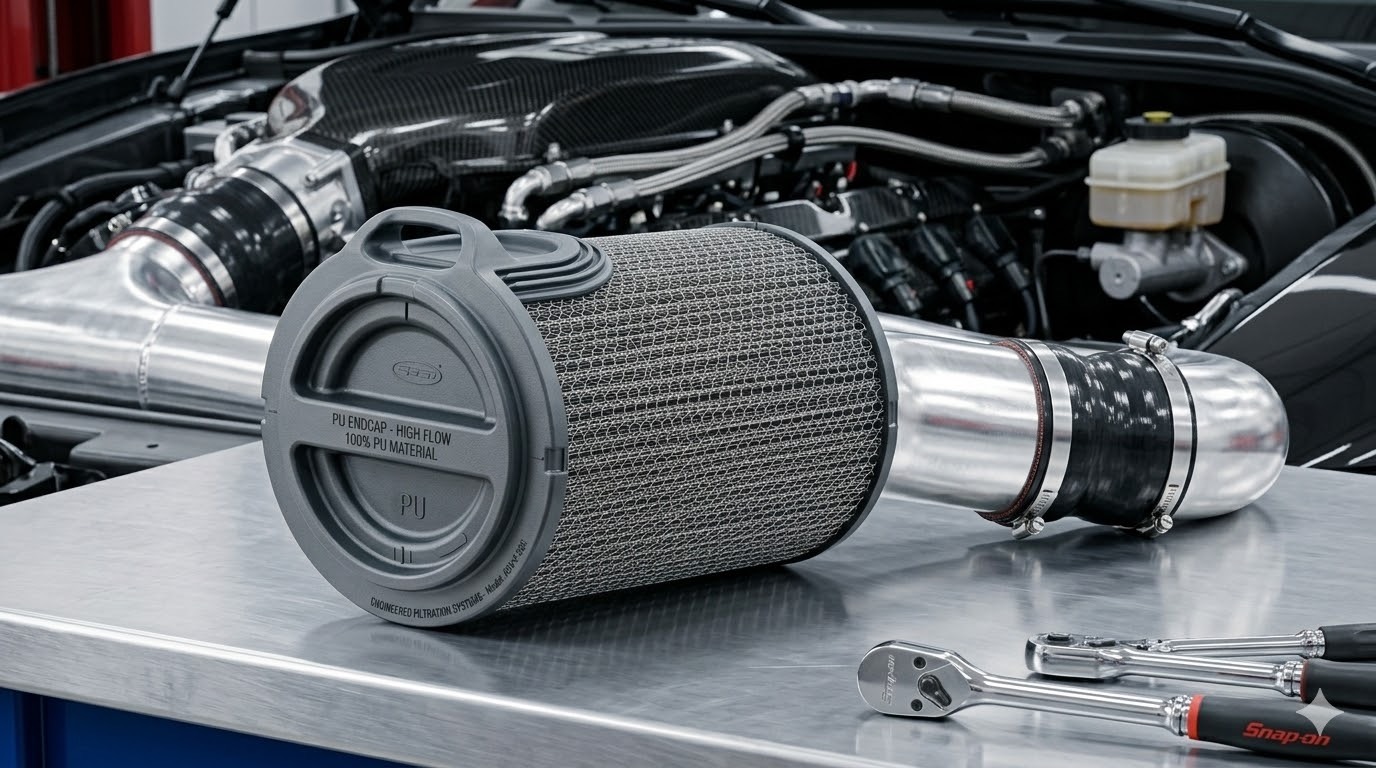
Some visuals on this site are AI-generated equivalent product illustrations. We have relevant development and production experience, but real customer programs and delivered shapes are not shown due to NDA requirements.
AI Illustration
Buyer Intent Page
Why buyers search for molded inserts instead of converted foam
Converted foam can work when the geometry is simple, but once the insert has to follow a more specific shape, protect a local interface or work around a housing feature, a molded polyurethane insert often becomes the more practical route.
Can improve fit around equipment, cases, housings and internal protective zones
Supports more controlled contact and part behavior than commodity foam blocks
Helpful when protection, appearance and assembly fit need to coexist
Q&A Snapshot
Quick Answers
Short answers to the practical questions buyers usually ask first.
When should buyers choose molded PU inserts?
Choose molded inserts when cavity fit, shaped geometry, local protection or repeatability matters more than simple flat foam cutting.
Are molded inserts only for packaging?
No. They can also be used inside equipment housings, product cavities, modules and structural spaces.
What should buyers provide?
Provide cavity photos, CAD or drawings, the item being protected or retained and the functional target of the insert.
Applications
Typical molded-insert applications buyers review
These are common product directions where buyers start looking for molded inserts instead of standard packaging foam.
Case and equipment inserts that need shaped support and local protection
Internal housing inserts for product retention, isolation or interface control
Protective inserts that must wrap around irregular geometry or key components
Fit-critical foam inserts used in equipment modules or structural cavities
Capabilities
How we review molded-insert projects
The best insert route depends on both the shape it must fit and the kind of support or protection it must provide.
Review whether the insert is mainly for retention, isolation, cushioning or local protection
Check geometry, cavity condition and what the insert interfaces with in the assembly
Compare whether molded PU gives a cleaner route than converted foam for the specific fit requirement
Validate insert shape, contact behavior and practical manufacturability through samples
Real Factory References
Real factory, sample and inspection references
The photos below are public references from HuiXing's operating site. They help buyers understand the real production, sample-review and inspection context behind the page, without disclosing customer-specific programs.
Real Photo
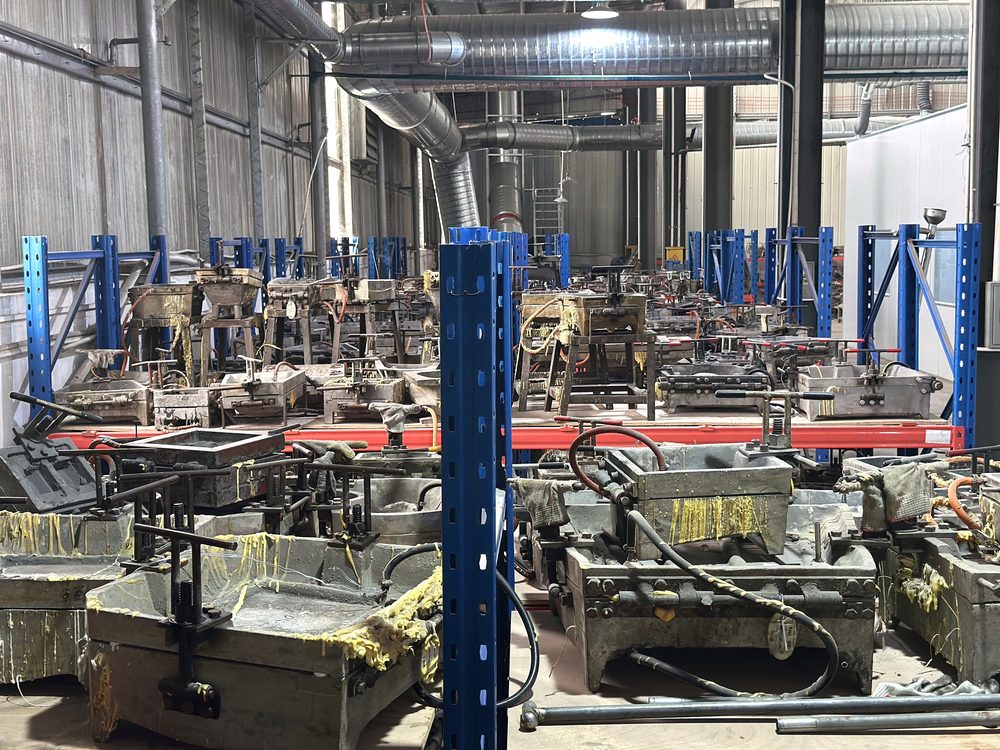
Molds and tooling reference
Tooling context for shaped PU inserts and geometry-controlled molded parts.
Real Photo
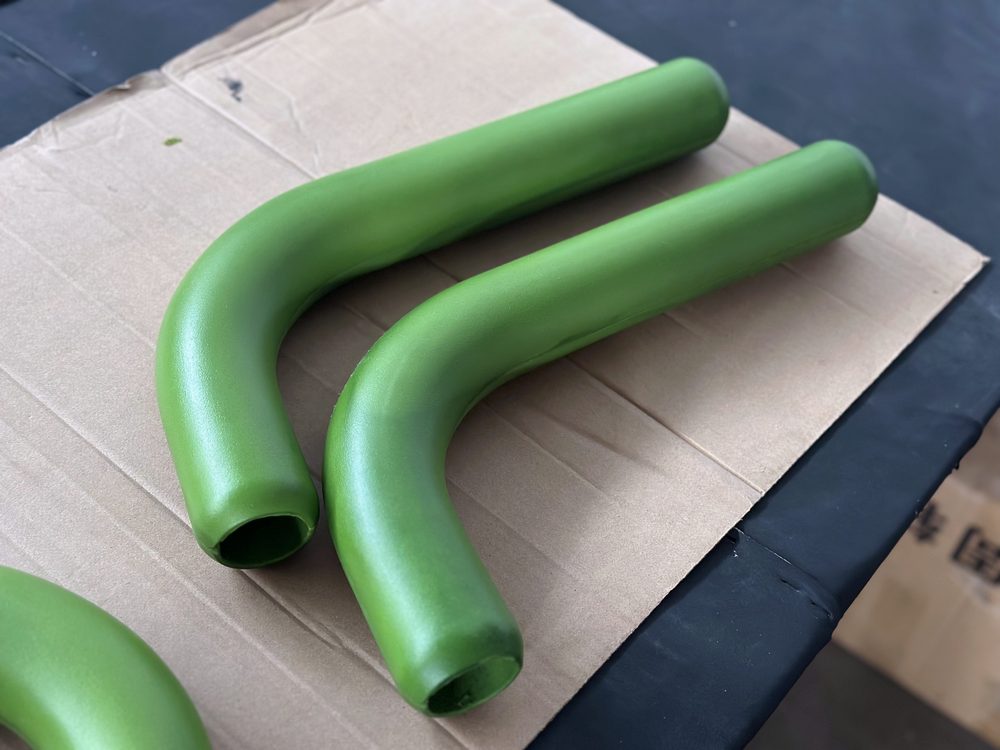
Molded insert sample references
Public sample references used for fit, protection and geometry discussion.
Real Photo
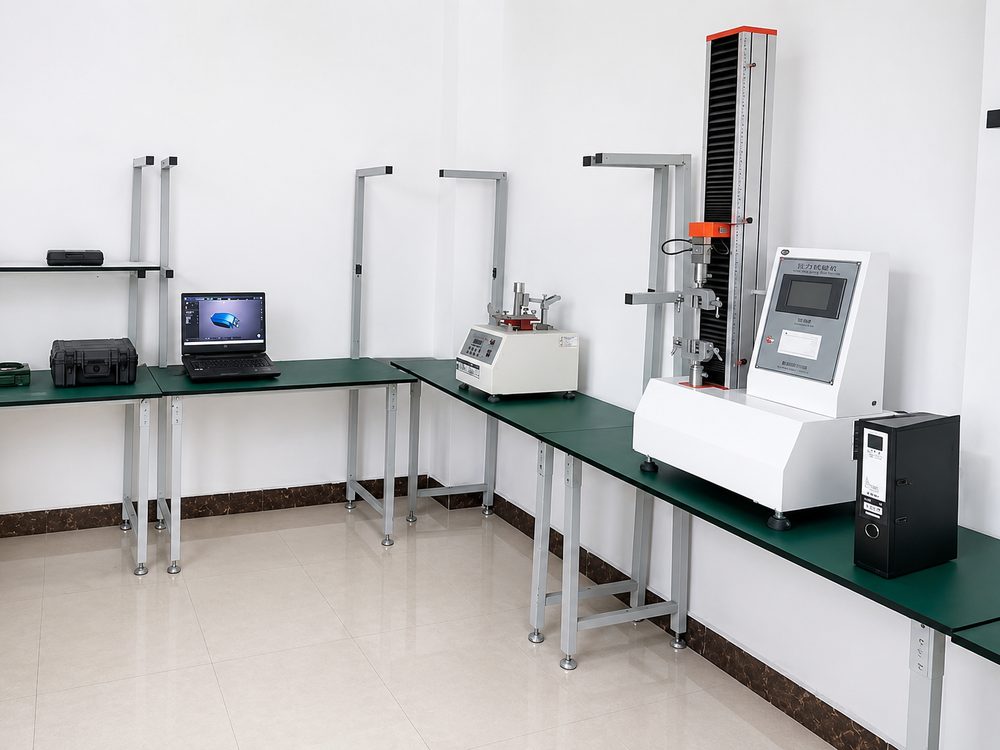
Fit and appearance checking
Inspection context for dimensions, fit and release review.
Buyer Brief
What to share before asking about a molded PU insert
Insert projects move faster when the geometry and protective intent are both visible from the start.
Photos, drawings or CAD showing the cavity, case or equipment space the insert must fit
What the insert is supposed to hold, separate, protect or position
Whether the key issue is geometry match, contact softness, local support or appearance
Expected sample timing, project stage and any current insert solution that is not working well
FAQ
Questions buyers ask about molded PU foam inserts
Short answers to practical questions buyers often ask before starting a PU part project.
Can HuiXing make molded PU foam inserts?
Yes. We can review cavity geometry, retention or protection target and sample feasibility for molded insert projects.
What is the advantage over converted foam?
Molded PU can offer cleaner geometry, better fit to irregular cavities and more repeatable contact behavior.
Can inserts be designed around equipment modules?
Yes. They can be reviewed for housings, cases, equipment modules and local structural spaces.
How do we start an insert project?
Share the cavity, product being held or protected, current issue and expected sample timing.
Related Topics
Continue exploring our polyurethane focus areas
PU Molded Foaming
See when molded PU becomes the better route for shaped OEM parts that need geometry control, fit-up accuracy and stable performance.
View TopicSelf-Skin PU
Explore integral-skin PU parts for touch surfaces, easy-clean covers and molded components with finished outer skin quality.
View TopicSlow-Rebound PU
Review slow-rebound PU for comfort pads, pressure-distribution parts and body-contact components with softer recovery.
View TopicCustom PU Systems
Understand when a project needs custom PU development for special hardness, rebound, skin or tactile-performance targets.
View TopicFactory & Quality
Review real factory references, sample validation, inspection support and sample-to-production execution for PU projects.
View TopicPU Buffer Components
Explore shaped PU parts for impact control, anti-collision zones, protective contact and cushioning behavior.
View TopicPU Wrap Components
Dive into PU wrap parts for grip zones, outer-touch interfaces and soft-over-hard component structures.
View TopicPU Armrest Pads
Target sourcing searches for molded polyurethane armrest pads used in seating, equipment and shaped support interfaces.
View TopicPU Headrest & Support Pads
Cover headrest pads, support pads and body-contact parts where comfort, support and geometry all matter together.
View TopicSelf-Skin Armrest & Grip Parts
Capture buyers looking for durable touch surfaces, grip parts and self-skin PU outer-contact components.
View TopicMolded PU Protective Pads
Answer sourcing searches for anti-collision pads, protective inserts and shaped polyurethane protection parts.
View TopicPolyurethane Grip Wraps
Focus on grip wraps, touch covers and soft-over-hard polyurethane outer-contact components.
View TopicCustom PU Covers for Robots & Devices
Target robotics, smart-device and safe-contact cover programs that need differentiated polyurethane development.
View TopicPolyurethane Support Pads
Cover sourcing intent for support pads, positioning pads and shaped polyurethane parts that prioritize support over softness alone.
View TopicPU Vibration Damping Parts
Focus on damping, noise-control and equipment-contact parts for structural interfaces and dynamic-use programs.
View TopicCustom PU Sampling Process
Answer process-led searches about how OEM buyers start polyurethane sampling, validation and production review.
View TopicNext Step
Need a molded PU insert instead of flat foam?
Send cavity photos, drawings and the object being protected or retained. We can review whether a molded PU insert route is practical.